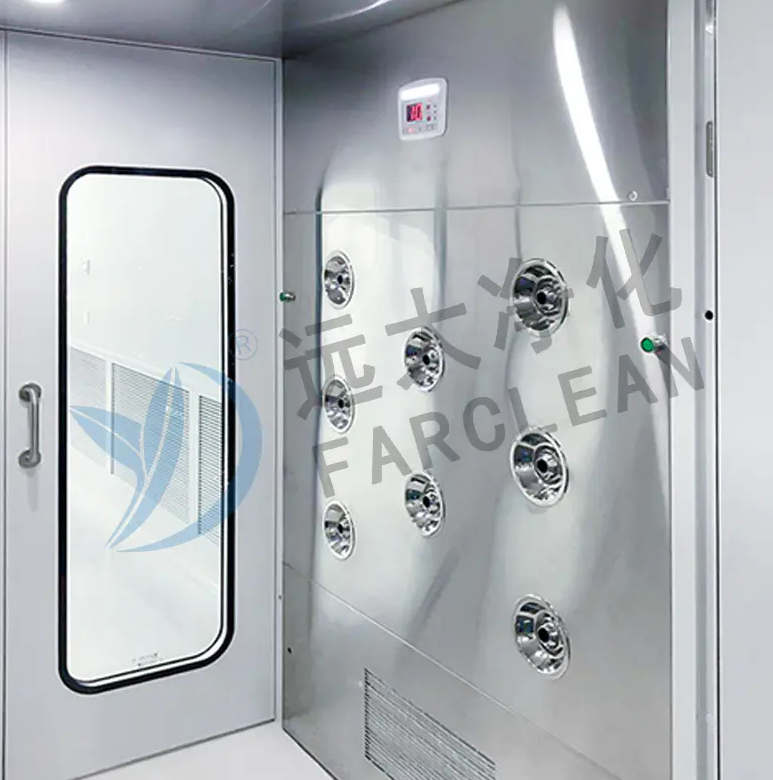
یک مرکز داروسازی یک دسته کامل از محصول استریل را از دست داد زیرا آلودگی در سطح پالت در حین انتقال مواد شناسایی نشد. علت اصلی این نبود که ایزولاتور یا روپوش معیوب اپراتور کار کند، بلکه زمانی که لیفتراک ها وارد منطقه حائل شدند، ورود غیرقابل کنترل ذرات بود. A به درستی مشخص شده است دوش هوای باری این خطر را با حذف آلاینده ها از بارهای بی جان بزرگ قبل از رسیدن به پاکت پاک حذف می کند.
دوش هوای باری چیست و چرا حیاتی است؟
دوش هوای باری یک دروازه کنترل آلودگی است که برای اجسام - پالت ها، چرخ دستی ها، درام ها، ظروف مواد خام - به جای اپراتورها طراحی شده است. برخلاف مدلهای پرسنلی که جتهای پرسرعت را به سمت انسان ایستاده هدایت میکنند، این تجهیزات از مجموعهای از نازلهای قابل تنظیم استفاده میکنند که برای پوشش سطح کامل یک بار قرار گرفتهاند. مشخصات معمولی سرعت نازل 20 تا 25 متر بر ثانیه، فیلتر HEPA یا ULPA با راندمان 99.99% برای ذرات 0.3 میکرومتر و مدت زمان ماندگاری کافی برای جابجایی و تخلیه ذرات معلق قبل از باز شدن درب سمت تمیز را می طلبد.
منطق ساده است: قفل اینترلاک تضمین می کند که قفل درب خروجی تا پایان چرخه دمیدن باز نمی شود، در حالی که پلنوم فشار منفی ذرات شل شده را جذب می کند و آنها را از طریق قطار فیلتر هدایت می کند. از آنجایی که بار - نه هوای محیط - منبع آلودگی است، سیستم رابط بین فضای کنترلنشده و کنترلشده را درجهبندی میکند. برای نگاهی عمیق تر به این فناوری، نگاه کنید سری دوش هوای باری ما .
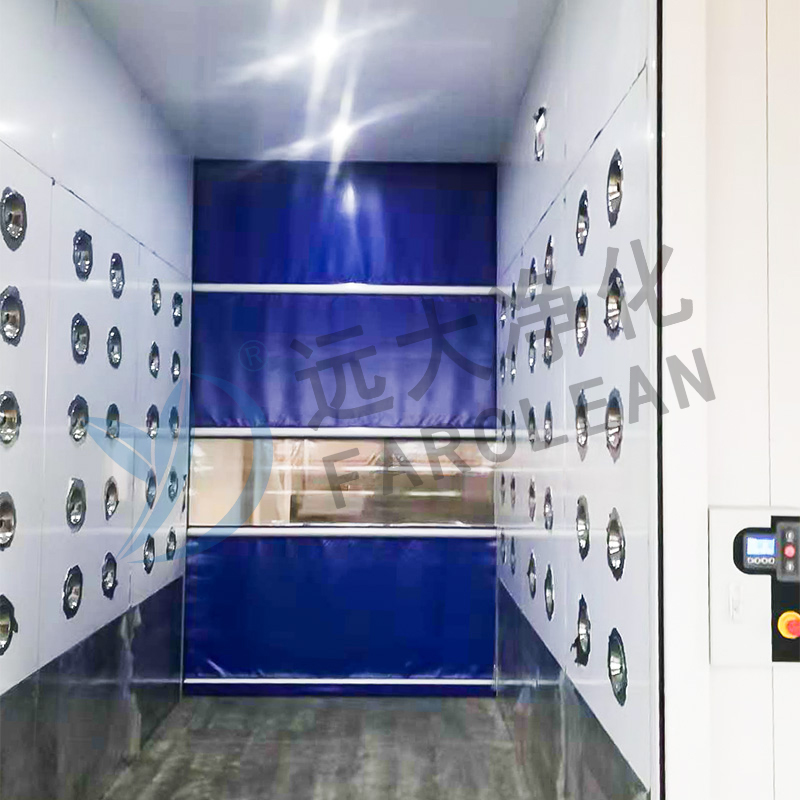 باربری دوش هوایی-فارکلین باربری دوش هوایی-فارکلین مشاهده محصول →
 صنایع کلیدی که به دوش هوای باری نیاز دارند
عدم وجود قفل هوا در کلاس بار می تواند منجر به یافتن انطباق در هر بخشی شود که در آن یکپارچگی دسته ای یا طبقه بندی منطقه تمیز به کنترل ذرات و میکروبی بستگی دارد.
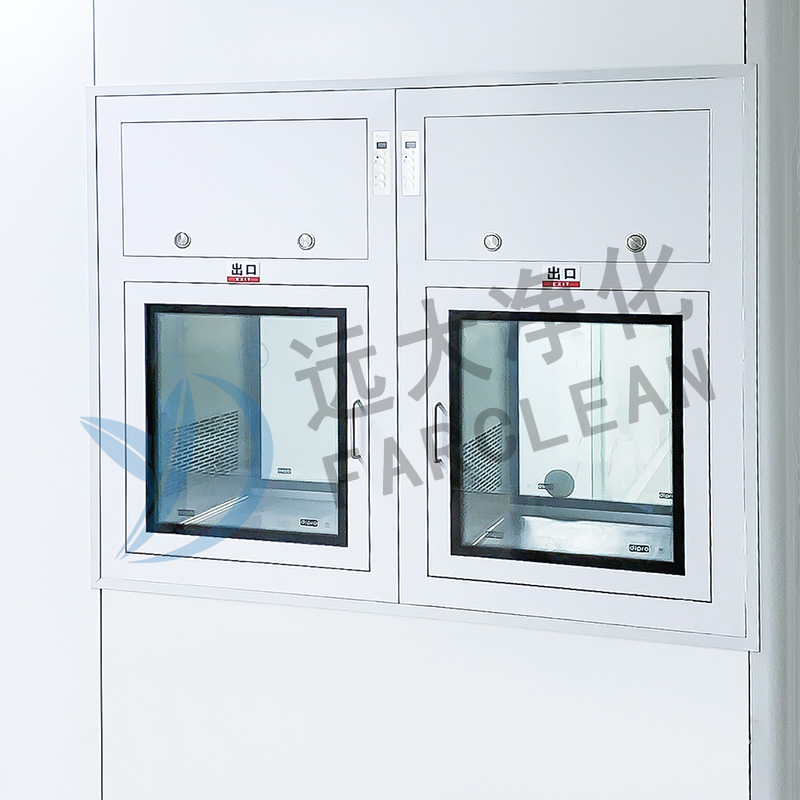
- داروسازی (پیوست 1 GMP): انتقال مواد کمکی، درامهای API مهر و موم شده و اجزای استریل شده در مرزهای ISO7-8 نیازمند یک مانع معتبر است. تسهیلات اغلب دوش هوای باری را با جعبه های عبوری برای ظروف که نمی توانند دمیدن مستقیم را تحمل کنند، جفت می کنند.
- فرآوری مواد غذایی (HACCP/BRC): مواد تشکیل دهنده انبوه و مواد بسته بندی که وارد مناطق با مراقبت بالا می شوند باید از گرد و غبار آرد، قطعات الیاف و هاگ های محیطی پاک شوند. ساختار فولاد ضد زنگ بدون شکاف پروتکل CIP را ساده می کند.
- الکترونیک (ISO14644): حاملهای برد مدار و قفسههای پانل میکروالیاف و تکههای فلزی را میریزند که باعث ایجاد نقصهای پنهان میشوند. آپشن هوای یونیزه بارهای ساکن را خنثی می کند و از جذب مجدد ذرات جلوگیری می کند.
- لوازم آرایشی و بهداشتی: همان منطق پاکیزگی ISO، با تأکید بیشتر بر اسنادی که عملکرد دوش هوا را با نتایج پایش محیطی مرتبط میکند، اعمال میشود.
در سراسر این بخشها، دوش هوای باری یک وسیله جانبی نیست، بلکه یک عنصر تأیید شده فرآیند استراتژی کنترل آلودگی است.
نحوه ارزیابی تولیدکنندگان دوش هوای بار
انتخاب تأمینکننده صرفاً بر اساس ابعاد کاتالوگ و زمانهای پیشنهادی قیمتگذاری شده اغلب منجر به قیمتهای بیش از حد مشخص یا تجهیزات کمکار میشود. یک تیم تدارکات باید سه بعد مرتبط را بررسی کند: ستون فقرات تولید، انعطاف پذیری پیکربندی، و صلاحیت نظارتی.
قابلیت های تولید و مواد
کنترل داخلی بر روی ساخت، جوشکاری و تکمیل ورق فلزی تعیین میکند که آیا محفظه در برابر حفرهکردن، ذخیره بیوفیلم یا تاب برداشتن تحت شستوشوهای حرارتی مکرر مقاومت میکند یا خیر. بهترین دوش های هوای باری از فولاد ضد زنگ 304 یا 316L با درزهای جوش داده شده با TIG که همسطح زمین هستند، استفاده می کنند. مهر و موم محفظه HEPA باید واشر شده و برای آزمایش یکپارچگی سالانه قابل دسترسی باشد. یک خریدار باید تأیید کند که کارخانه تجهیزات مورد نیاز برای تولید چنین سازههایی را به طور مداوم در اختیار دارد. در حال بررسی کارخانه و تجهیزات ما سطح بلوغ فرآیند پشت هر واحد را نشان می دهد.
گزینه های سفارشی سازی و پیکربندی
طرح های استاندارد "یک اندازه" به ندرت با جریان های لجستیک واقعی مطابقت دارند. نوع درب به تنهایی تاثیر قابل اندازه گیری بر زمان چرخه و پایداری آبشار فشار دارد. دو پیکربندی محبوب محدوده را نشان میدهند: دوش هوای باری درب اتوماتیک برگهای کشویی سفت و سختی را ادغام میکند که ترافیک سنگین را با حداقل نشتی مدیریت میکند، در حالی که دوش هوای باری کرکره ای پی وی سی در عرض چند ثانیه باز و بسته می شود و دریچه باز می شود تا تبادل هوا کاهش یابد. فراتر از درها، سازندگان باید تنظیمات عرض، ارتفاع، و چیدمان نازل را متناسب با ابعاد پالت یا AGV خاص، بعلاوه لامپ های UV-C اختیاری، یکپارچه سازی نوار نقاله به هم قفل شده و نظارت بر ذرات در زمان واقعی ارائه دهند.
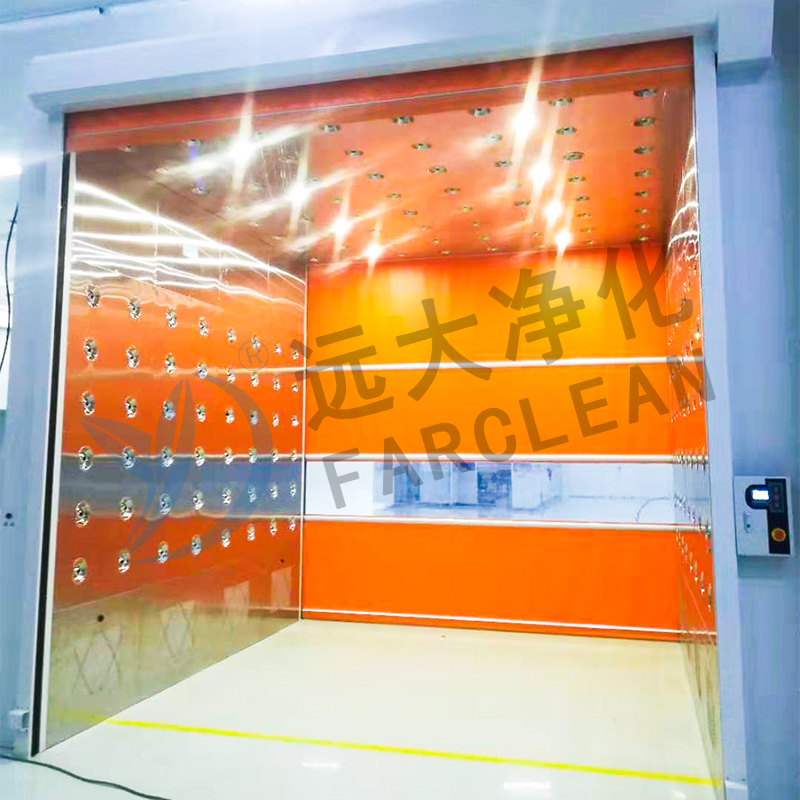 دوش هوای کرکره ای با سرعت بالا پی وی سی چین - Farclean Factroy کارخانه Farclean در دوش های هوای کرکره ای با سرعت بالا PVC برای کاربردهای اتاق تمیز تخصص دارد. سیستم ورود سریع و خودکار با... مشاهده محصول →
 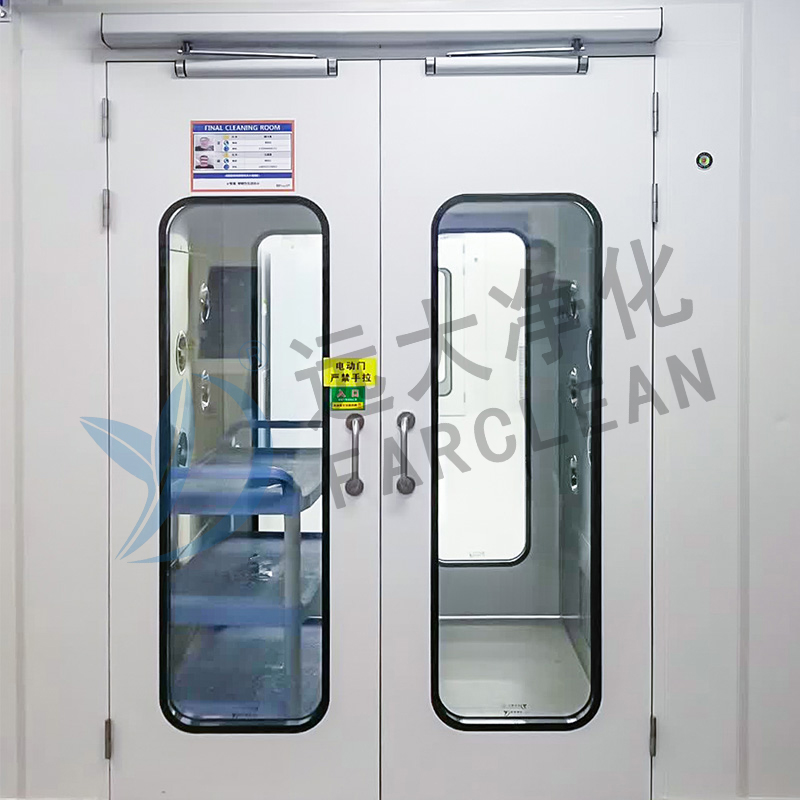 درب اتوماتیک کشویی دوش هوا سازنده Farclean Farclean تولید کننده پیشرو در دوش های هوای اتوماتیک کشویی برای محیط های اتاق تمیز است. طراحی شده برای عملکرد صاف و بدون تماس... مشاهده محصول →
 انطباق و تجربه بین المللی
یک دوش هوای باری که برای یک اتاق تمیز محلی ساخته شده است، اگر نتواند الزامات الکتریکی، ایمنی یا داروسازی کشور پذیرنده را برآورده کند، ممکن است در زمینه صادرات شکست بخورد. به دنبال تولیدکنندگانی باشید که اسناد DQ/IQ/OQ را به عنوان یک بسته پیشفرض عرضه میکنند و طراحی را با چارچوبهای GMP، FDA و ISO 14644 هماهنگ میکند. مستند شده مطالعات موردی مشتری جهانی تأیید کنید که سازنده با موفقیت در تدارکات، رژیم های بازرسی و انتظارات فرهنگی فرامرزی پیمایش کرده است. این تجربه خطر تاخیر در پذیرش سایت را کاهش می دهد.
چرا یک تامین کننده اتاق تمیز یک مرحله ای را انتخاب کنید؟
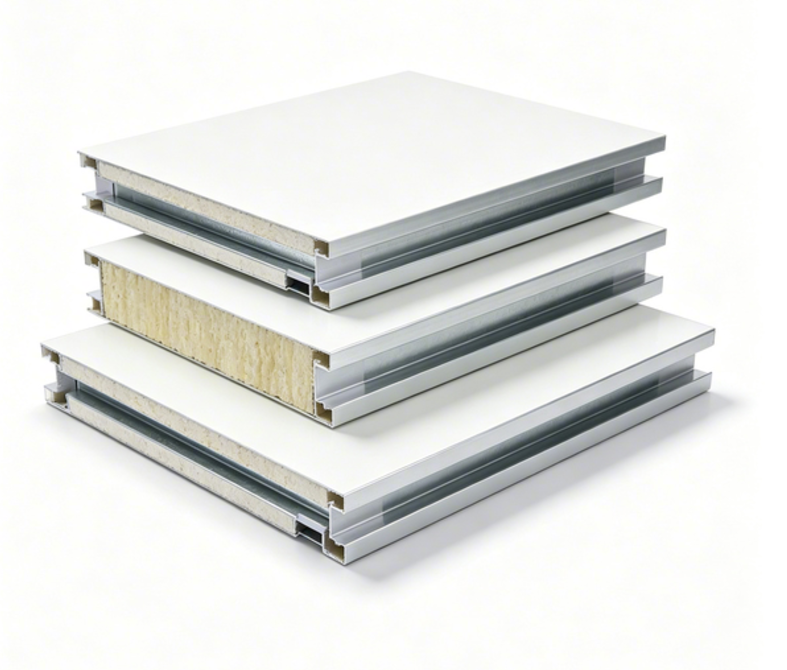
خرید دوش هوای باری از فروشنده ای که محفظه ای که با آن جفت می شود را درک نمی کند، مشکلات رابط قابل پیش بینی ایجاد می کند. یک فلنج دیوار باز که با مشخصات سیستم پانل مطابقت ندارد، یک قفل درب که نمی تواند با سیستم مدیریت ساختمان صحبت کند، یا یک پانل کنترلی که قفل هوای پرسنل مجاور را مسدود می کند - این اشکالات زمانی رایج هستند که تجهیزات و سازه از منابع جداگانه تهیه می شوند. یک تامین کننده تک منبعی که پانل های ساندویچ، درهای اتاق تمیز، پنجره ها و سیستم های حمام هوا را تولید می کند، مالکیت کل مرز فیزیکی را در اختیار می گیرد. که ترجمه می شود RFIهای کمتر، مسئولیت خدمات یکپارچه، و پاکت معتبر از روز اول . نتیجه یک خط کنترل آلودگی یکپارچه واقعی است، نه مجموعه ای از اجزای جدا شده.
مراحل دریافت یک دوش هوای باری قابل اعتماد
تبدیل یک سند مشخصات به یک سیستم راه اندازی شده مسیری قابل تکرار را دنبال می کند.
- ارزیابی ریسک بار را انجام دهید. بزرگترین پالت، کثیف ترین مواد و کلاس تمیزی مورد نیاز را تعیین کنید. این اندازه محفظه و الگوی نازل را تعیین می کند.
- درخواست ممیزی کارخانه یا تور مجازی کنید. بررسی کنید که ورق فلز، مونتاژ HEPA، و قابلیتهای میز آزمایش در محل وجود دارد.
- یک نمونه نماینده ارائه دهید. از سازنده بخواهید چرخه دمیدن آزمایشی را روی بار واقعی یا جایگزین شما اجرا کند و راندمان حذف ذرات را اندازه گیری کند.
- پروتکل FAT/SAT را مرور کنید. قبل از ارسال، روی معیارهای قابل قبول، از جمله تجسم الگوی دود و منحنیهای بازیابی تعداد ذرات، توافق کنید.
- اعتبار سنجی و کمیسیون واحد را در برنامه پایش محیطی سایت ادغام کنید و اپراتورها را در انتخاب چرخه و فواصل تعویض فیلتر آموزش دهید.
پیروی از این مراحل احتمال دوش هوای باری را کاهش می دهد که از یک مرحله بصری عبور می کند اما در ممیزی صلاحیت مجدد سالانه شکست می خورد.
نتیجه گیری
انتخاب تولیدکنندگان دوش هوای باری یک کار کالایی نیست. این شامل ارزیابی عمق ساخت، وسعت پیکربندی و قابلیت نظارتی مستند است. Farclean یک محدوده کامل اتاق تمیز را ارائه می دهد - از پانل های ساختاری و درها گرفته تا فناوری معتبر دوش هوا - به طوری که کنترل آلودگی به عنوان یک سیستم واحد مهندسی شده است. برای یک بحث عمیق در مورد الزامات انتقال مواد خود یا یک نقل قول در مورد یک واحد هدفمند، از طریق صفحه تماس با تیم مهندسی ما تماس بگیرید.